
What Is Biochar?
Uses, Benefits, and Its Role in a Low-Carbon Future
Biochar is a lightweight carbon-rich, porous material produced from organic biomass through a low-oxygen thermochemical process known as pyrolysis. Unlike conventional charcoal, biochar is engineered for environmental, agricultural, and industrial applications, where long-term carbon stability and material performance are critical.
In recent years, biochar has gained global attention as a carbon removal solution, a soil enhancement material, and a sustainable alternative to carbon-intensive industrial inputs. Its ability to store carbon for hundreds to thousands of years, while improving soil health and enabling waste-to-value pathways, positions biochar as a key material in the transition toward a low-carbon, circular economy.
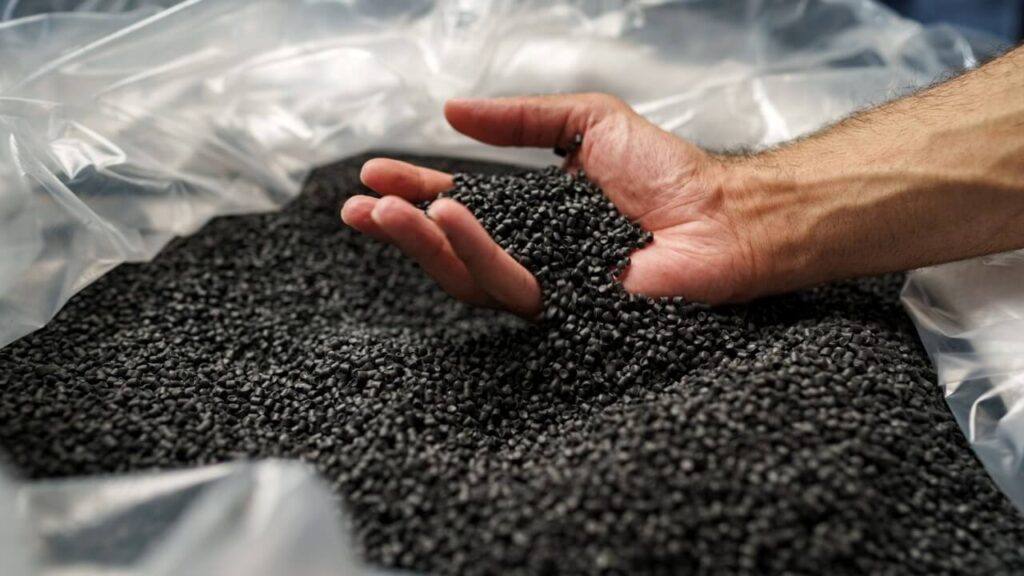
As industries and governments seek scalable solutions to reduce emissions, manage biomass waste, and improve resource efficiency, biochar is increasingly recognised as a practical and climate-positive technology. At Qlean Tech, we are focused on this critical intersection, bridging waste valorisation, carbon reduction, and high-performance applications.
What Is Biochar and How Is It Produced?
Biochar is produced in pyrolysis processes by heating organic biomass — such as agricultural residues, forestry by-products, or organic waste — under oxygen-limited conditions. This controlled thermal process converts biomass into a stable, carbon-rich solid while releasing liquid and gaseous by-products.
The defining feature of biochar is its exceptional carbon stability. Its aromatic carbon structure resists biological decomposition, allowing carbon to remain stored in soils or durable materials for long periods. Because of this durability, biochar is widely recognised as a carbon removal pathway, capable of permanently removing carbon from the active carbon cycle.
Beyond its climate value, biochar’s porous structure and surface chemistry make it highly functional across agriculture and industry — from soil enhancement and nutrient management to use as a low-carbon material input. These characteristics allow biochar to deliver both performance benefits and environmental outcomes within a single solution.
At Qlean Tech, biochar is viewed as a dual-purpose technology: a high-performance material that supports industrial and agricultural needs, and a climate-positive solution aligned with circular economy and carbon reduction strategies.
Key Benefits of Biochar
Biochar delivers environmental, agricultural, and industrial benefits simultaneously, making it one of the most versatile materials in the clean technology ecosystem.
Soil Health & Agricultural Productivity
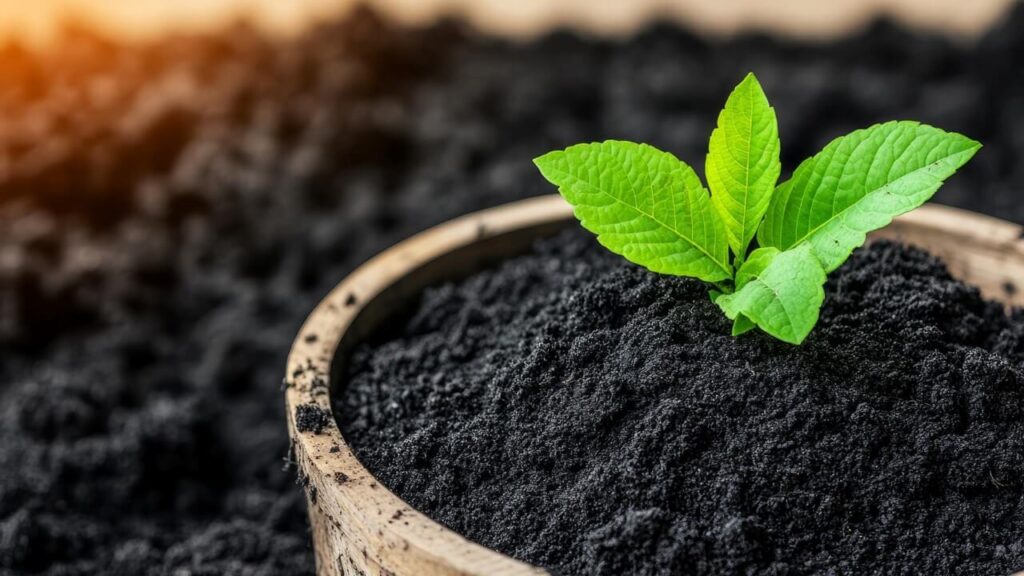
Biochar’s highly porous structure improves soil aeration, water-holding capacity, and root development. Its large surface area helps retain nutrients such as nitrogen and phosphorus, reducing nutrient leaching and improving fertiliser efficiency.
Biochar also provides a stable habitat for beneficial soil microorganisms, enhancing biological activity and long-term soil fertility. In tropical regions, where soils are often acidic, biochar’s mild alkalinity can help neutralise soil pH and reduce aluminium toxicity.
These properties make biochar a key input for regenerative agriculture and climate-resilient farming, improving crop yields while reducing reliance on chemical fertilisers.
Long-Term Carbon Sequestration & Climate Mitigation
Biochar is classified as a negative emissions technology because it removes carbon from the active carbon cycle and stores it in a stable solid form.
When biomass is converted into biochar instead of decomposing or being openly burned, greenhouse gas emissions are avoided. Once applied to soil or incorporated into durable materials, biochar can store carbon for hundreds to thousands of years.
This dual benefit — emissions avoidance during production and long-term carbon storage during use — makes biochar highly attractive for net-zero strategies, ESG frameworks, and long-term carbon removal initiatives.
Waste-to-Value Conversion of Biomass
Agricultural residues, forestry by-products, food processing waste, and organic municipal waste are often underutilised or disposed of through landfilling or open burning.
Biochar production transforms these waste streams into high-value functional materials, while also generating energy-rich by-products such as syngas and bio-oil. This approach reduces pollution, lowers emissions, and creates new economic value from previously discarded resources.
As a result, biochar plays a central role in circular economy systems, supporting low-carbon, resource-efficient industrial and agricultural practices.
Environmental Resilience & Land Remediation
Biochar plays a distinct role in environmental resilience and land remediation, particularly in degraded, polluted, or climate-stressed environments beyond conventional agriculture. Due to its stable carbon structure, high porosity, and strong adsorption capacity, biochar is widely used to immobilise heavy metals, organic contaminants, and excess nutrients in contaminated soils and water systems, reducing their mobility and bioavailability. This makes it an effective material for remediating industrial land, mining sites, landfills, and polluted agricultural areas.
In addition to contamination control, biochar enhances ecosystem resilience by improving water retention and structural stability in degraded soils, helping landscapes better withstand drought, flooding, and extreme weather events. Unlike short-term remediation methods, biochar provides long-lasting environmental benefits, restoring soil functionality while supporting safe revegetation and land reuse.
Industrial Applications of Biochar: From Agriculture to Advanced Materials
Beyond agriculture, biochar is increasingly adopted as a low-carbon functional material across a range of industrial sectors. Its value lies not only in carbon reduction, but also in its structural, adsorptive, and chemical properties, which enable it to replace or enhance conventional carbon-based materials. Depending on its production and post-treatment, biochar can function as a structural additive, adsorbent, conductive material, or pigment — making it adaptable to multiple industrial use cases.
Why Biochar Works Across Industries
Across these applications, biochar’s industrial relevance stems from several core material properties:
- High carbon content and structural stability
- Tunable porosity and surface chemistry
- Strong adsorption and retention capacity
- Compatibility with circular and low-carbon manufacturing systems
These characteristics allow biochar to function not only as a sustainability solution, but also as a performance-driven industrial material, supporting emissions reduction without compromising technical requirements.
Biochar for Agriculture and Bio-fertilisers
In agriculture, biochar is widely used as a soil amendment and nutrient carrier, rather than a direct fertiliser. Its porous structure enables it to absorb and retain nutrients, allowing for controlled and slow nutrient release when combined with mineral fertilisers, compost, or organic inputs. The addition of biochar to soil has been shown to enhance crop productivity and soil fertility, particularly when combined with organic amendments
By improving fertiliser use efficiency, biochar helps reduce nutrient losses through leaching and volatilisation, lowering input costs and environmental runoff. Its ability to support soil microbial activity further enhances nutrient cycling and soil performance. Due to its long-term stability, biochar is typically applied as a one-time or infrequent input, delivering persistent agronomic benefits over many growing seasons.
Biochar in Cement and Construction Materials
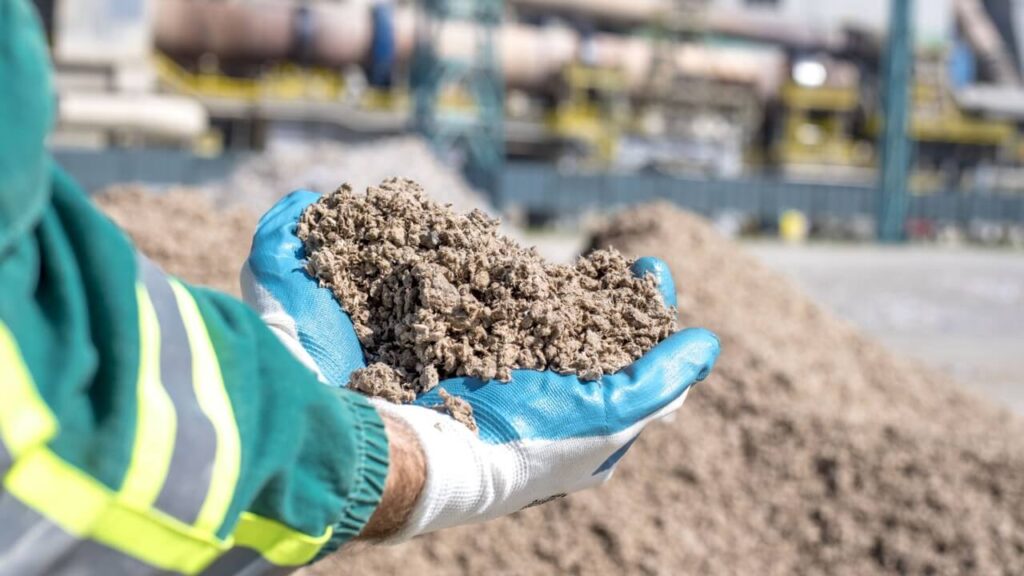
In the construction sector, biochar is increasingly studied and applied as a low-carbon additive in cementitious and concrete materials. Small percentages of biochar can partially replace cement or fine aggregates, helping reduce the embodied carbon of construction materials.
Research indicates that biochar additions can improve mechanical properties such as compressive strength and increase CO₂ uptake through improved carbonation reactions. Biochar incorporation also promotes accelerated hydration and matrix densification, contributing to durability and long-term performance. Importantly, biochar also introduces a carbon storage function into building materials, enabling concrete to act as a carbon-storing material rather than a purely carbon-emitting one.
In this context, biochar is not intended to replace cement as a primary binder, but to serve as a performance-enhancing and emissions-reducing additive within sustainable construction systems.
Biochar in Batteries and Energy Storage Materials
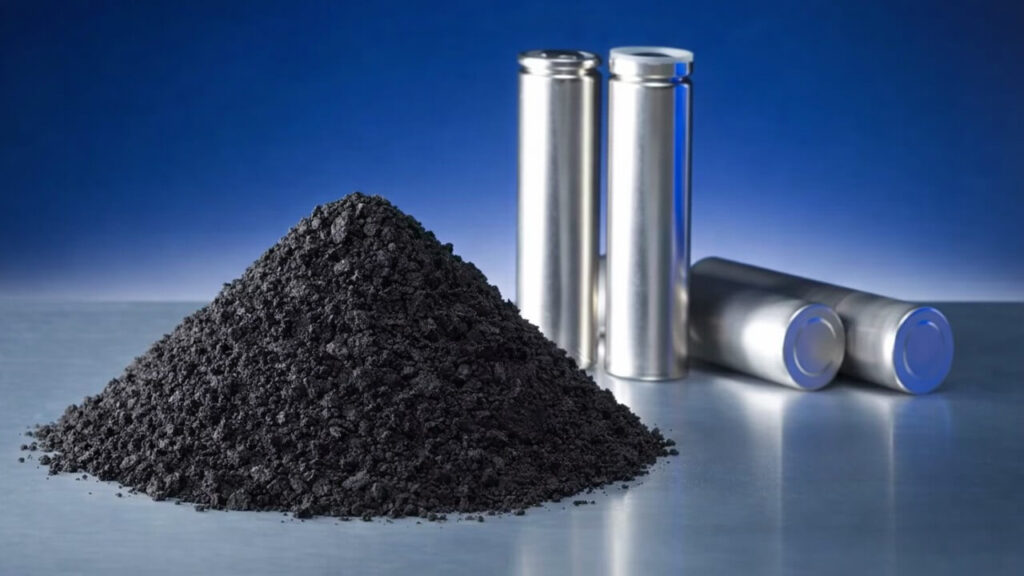
Biochar derived from biomass, when properly activated and graphitised, has shown strong potential as a renewable alternative to fossil-derived graphite in energy storage applications or as battery electrodes. In lithium-ion batteries, biomass-derived biochar that is graphitized has been tested as an anode active material, potentially replacing traditional graphite and offering comparable lithium storage performance. Biochar’s porous structure also facilitates ion transport and storage, which may improve cycling stability and capacity in battery designs.
Many companies and research institutions globally have tested biochar as a replacement for graphite in lithium-ion battery anodes. Although large-scale commercial deployment is still emerging, continued research suggests biochar may play a role in next-generation battery materials, particularly where supply chain sustainability and carbon footprint reduction are priorities.
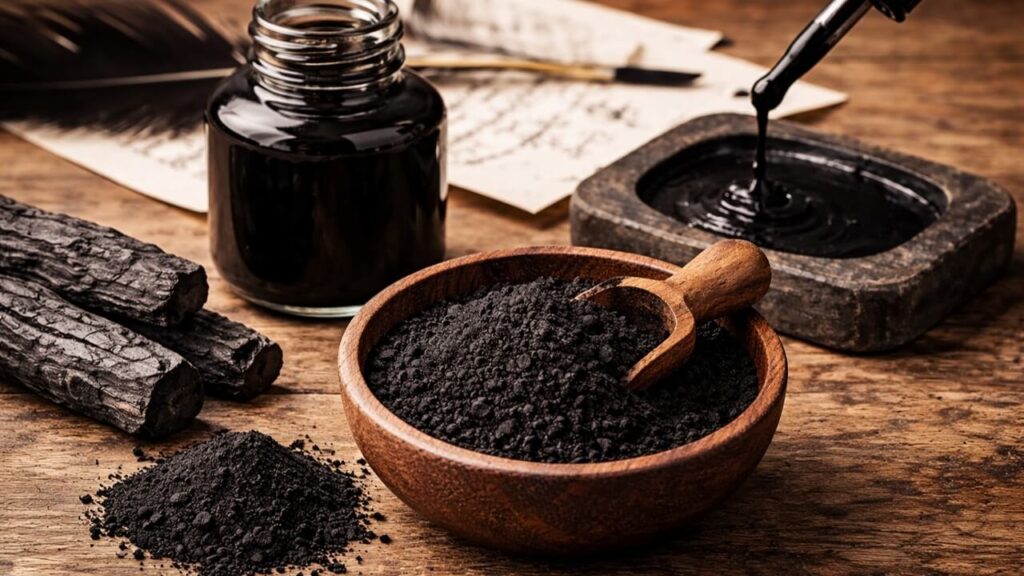
A Sustainable Black Pigment and Carbon Material
Biochar has also been investigated as a renewable alternative to petroleum-derived carbon black and graphite pigments, particularly in printing inks, coatings, and functional materials. Due to its deep black colour, chemical stability, and carbon-rich composition, biomass-derived biochar can provide effective pigmentation with reduced reliance on fossil-based inputs.
The role of biochar in printing inks mainly lies in its function as a renewable, low-carbon black pigment that provides good color, stability, and adhesion, while reducing production costs and environmental impact. With advances in material processing technologies, biochar is expected to become an important component of green printing and functional inks.
Biochar Production and Opportunities in Malaysia
Malaysia’s strong agricultural sector generates abundant biomass feedstocks, including palm oil residues such as empty fruit bunches (EFB) and palm kernel shells (PKS), bamboo, coconut shells, and wood or other forestry by-products. These resources create favourable conditions for scalable and commercial biomass pyrolysis and biochar production, supporting both environmental sustainability and industrial applications.
Emerging research also points to the potential for large-scale biochar production from abundant Malaysian agricultural wastes — such as palm oil, empty fruit bunches and rice straw, offering negative emissions potential and soil enhancement benefits, improving fertility, water retention, and nutrient availability, but also offers negative emissions potential, effectively removing CO₂ from the atmosphere and contributing to climate mitigation efforts.
By leveraging regional biomass resources, biochar production can support sustainable agriculture, waste reduction, and low-carbon industrial development in the country.
Biochar and Sustainability: Driving a Low-Carbon Future
Biochar embodies the principles of the circular economy by transforming waste into long-lasting, high-value resources. Agricultural residues, forestry by-products, and organic waste streams are converted into value-added and environmentally friendly biochar materials that store carbon for the long term. At the same time, pyrolysis systems produce energy-rich by-products that can be reused for heat or power, forming closed-loop systems that maximise resource efficiency.
In agriculture, biochar not only stores carbon but also improves soil fertility, water retention, and nutrient availability, while supporting beneficial soil microbes. In industrial applications, biochar can replace carbon-intensive materials in cement, battery electrodes, and printing inks, helping reduce emissions while maintaining product performance.
By turning waste into a sustainable, low-carbon resource, biochar supports green industry, resource efficiency, and long-term environmental stewardship, aligning perfectly with Qlean Tech’s mission to deliver innovative and sustainable solutions. From agriculture to industry, biochar is a multi-purpose material that helps businesses and communities move toward a more sustainable, circular, and low-carbon future.
Frequently Asked Questions (FAQs)
What is biochar and what is it used for?
Biochar is a carbon-rich solid produced mainly from biomass pyrolysis. It is used to improve soil fertility, enhance water retention, reduce nutrient leaching, and sequester carbon in soils for long periods. Because of its stability, biochar is increasingly recognised as a tool for climate mitigation and sustainable agriculture.
Is biochar the same as charcoal?
No. While both are carbon-rich materials produced from biomass, biochar is engineered for environmental and industrial applications, not fuel use. Biochar is designed for long-term stability, soil enhancement, carbon sequestration, and material performance, whereas charcoal is primarily used for combustion.
How long can biochar store carbon?
Biochar can store carbon for hundreds to thousands of years, depending on how it is produced and applied. Its stable aromatic carbon structure resists biological decomposition, making it a recognised long-term carbon removal pathway.
What types of biomass can be used to produce biochar?
Biochar can be produced from a wide range of organic biomass, including palm oil residues such as empty fruit bunches (EFB) or palm kernel shell (PKS), agricultural residues like coconut shells, forestry by-products, food processing waste, and organic municipal waste. Feedstock choice affects biochar properties such as porosity, carbon content, and suitability for different applications.
Can biochar generate carbon credits?
Yes. Biochar projects that demonstrate durable carbon storage may qualify for carbon credits under recognised international standards, such as Verra and Puro.earth, subject to strict monitoring, reporting, and verification (MRV) requirements. Eligibility depends on feedstock, production method, and end-use.
Is biochar suitable for tropical soils?
Yes. Biochar is particularly beneficial in tropical and acidic soils, where it can improve water retention, nutrient availability, and soil structure while reducing aluminium toxicity. This makes it well suited for agricultural systems in regions such as Southeast Asia.
What industries use biochar beyond agriculture?
Beyond agriculture, biochar is increasingly used in cement and construction materials, batteries and energy storage, environmental remediation, and printing inks or pigments. Its properties can be tailored through production and post-treatment to meet specific industrial requirements.
How is biochar produced at scale?
Biochar is typically produced using biomass pyrolysis systems, which heat organic materials under oxygen-limited conditions. Industrial-scale production requires controlled reactors, feedstock handling, and energy recovery systems to ensure consistent quality and efficiency.
Is biochar safe?
Yes. When produced properly, biochar is non-toxic and environmentally friendly. It’s safe to use in soil, around plants, and even in some industrial processes.
How does biochar help the environment?
Biochar captures carbon that would otherwise return to the atmosphere as CO₂. It also reduces pollution by filtering contaminants and stabilizing waste.
Where can I buy biochar?
📩 To learn more or place an order, please contact us directly—we’ll be happy to recommend the right biochar for your needs.
Bringing Biochar Solutions to Life with Qlean Tech
As biochar becomes an increasingly important material for carbon reduction, sustainable agriculture, and low-carbon industry, successful outcomes depend on proven technology and consistent material quality. Qlean Tech supports organisations in translating biochar potential into real-world impact through integrated biomass pyrolysis and biochar solutions.
Qlean Tech delivers end-to-end biomass pyrolysis EPCC services for converting biomass waste into biochar and energy products, alongside the supply of high-quality biochar for agricultural and industrial applications. By bridging waste valorisation, carbon reduction, and performance-driven materials, Qlean Tech helps clients advance circular economy and sustainability goals with confidence.