

Products
BIOCHAR
Biochar for Industrial and Carbon Applications
Qlean Tech Biochar is a stable, carbon-rich material produced through the pyrolysis of biomass — primarily palm kernel shell, with coconut, EFB, bamboo, and wood feedstock options also available. With fixed carbon of 70% and above and consistent technical specifications, it is suitable for carbon, industrial, environmental, and soil-related applications. Locally produced in Malaysia and available in 25KG bags, bulk pallets, and project-scale supply.
- Fixed Carbon 70%+
- Locally Produced in Malaysia
- Bulk & Project Supply
- Carbon, Industrial & Soil Applications

Expanded Applications of Biochar
Biochar is a stable, carbon-rich material produced from biomass through pyrolysis. Known for its porous structure and long-term carbon stability, it is used in soil-related applications, carbon management, and selected environmental and industrial uses.
Its value lies in its ability to turn biomass into a more durable and useful material. Compared with untreated organic matter, biochar offers stronger long-term potential for resource efficiency, carbon storage, and value-added application.
Common Applications of Biochar
Carbon Sequestration
Environmental and Industrial Use
Compost and Soil Blending
Key Benefits of Biochar

Carbon Sequestration

Environmental and Industrial Use

Soil Improvement

Compost and Soil Blending
Who We Supply
Qlean Tech Biochar serves a range of customers across Malaysia and the region:
- Carbon Project Developers: Organisations sourcing stable, carbon-rich biochar for long-term carbon storage, sequestration projects, and circular biomass initiatives.
- Industrial & Environmental Buyers: Companies using biochar for filtration, remediation, material applications, and other value-added industrial uses. It can also serve as a precursor for activated carbon used in battery materials, gold recovery, water purification, and air filtration systems.
- Plantations & Commercial Growers: Estates and large-scale operations using biochar to improve soil structure, water retention, and long-term productivity.
- Nurseries & Landscaping: Operators blending biochar into growing media and soil mixes.
Key Benefits of Biochar
Carbon-Rich and Long-Term Stable
Resource-Efficient Use of Biomass
Versatile Across Sectors
Supports Circular Biomass Utilisation
Product Specifications
The table below outlines the main product specifications for our PKS biochar, including carbon content, volatile matter, ash level, moisture, and pH.
| Specification | Value |
|---|---|
| Feedstock | Palm Kernel Shell (PKS, mainly) |
| Fixed Carbon | 70% and above |
| Volatile Matter | Below 15% |
| Ash Content | 8% max |
| Moisture | Below 15% |
| pH | 7–9 |
Each batch is produced to consistent technical standards, with minor variation possible depending on feedstock and production conditions.
What Makes a Good Biochar?
Not all biochar is the same. Quality varies depending on feedstock, production process, and pyrolysis conditions — and these differences directly affect how well biochar performs in soil, carbon, and industrial applications. Below are the key indicators to look for when evaluating biochar quality.
Fixed Carbon Content
Volatile Matter
Ash Content
Moisture Content
pH Level
Consistent Feedstock
Qlean Tech Biochar is produced to meet practical quality benchmarks across these indicators, with fixed carbon of 70% and above, volatile matter below 15%, ash content capped at 8%, moisture below 15%, and a stable pH of 7–9 — making it a reliable option for evaluation and supply.
Packaging & Purchase Options
| Format | Packaging | Best For |
|---|---|---|
| Standard Bag | 25KG woven bag with liner | Smallholders, nurseries, compost blending |
| Bulk Order | Multiple bags / pallet | Farms, landscaping, soil blending operations |
| Project Supply | Custom bulk arrangement | Plantations, industrial use, carbon projects |

Pricing varies by feedstock, order volume, and delivery location. Trial orders welcome — contact us for current pricing and minimum order quantities.
Note: Delivery surcharges may apply for bulk orders depending on location and logistics requirements.
Feedstock and Product Options

Our main biochar product is produced from palm kernel shell, a biomass residue from the palm oil industry that is widely available in Malaysia. As a feedstock, the palm kernel shell is well suited for pyrolysis due to its stable structure and strong carbon potential, making it a practical choice for consistent biochar production. Palm kernel shell is also gaining attention as a scalable alternative to coconut shell in carbon material applications, offering comparable performance with stronger regional supply availability in palm-producing markets like Malaysia.
In addition to palm kernel shells, we also offer biochar derived from other biomass feedstocks depending on application needs, supply requirements, and customer preference. These include coconut biochar, EFB pellet biochar, bamboo biochar, and wood biochar.
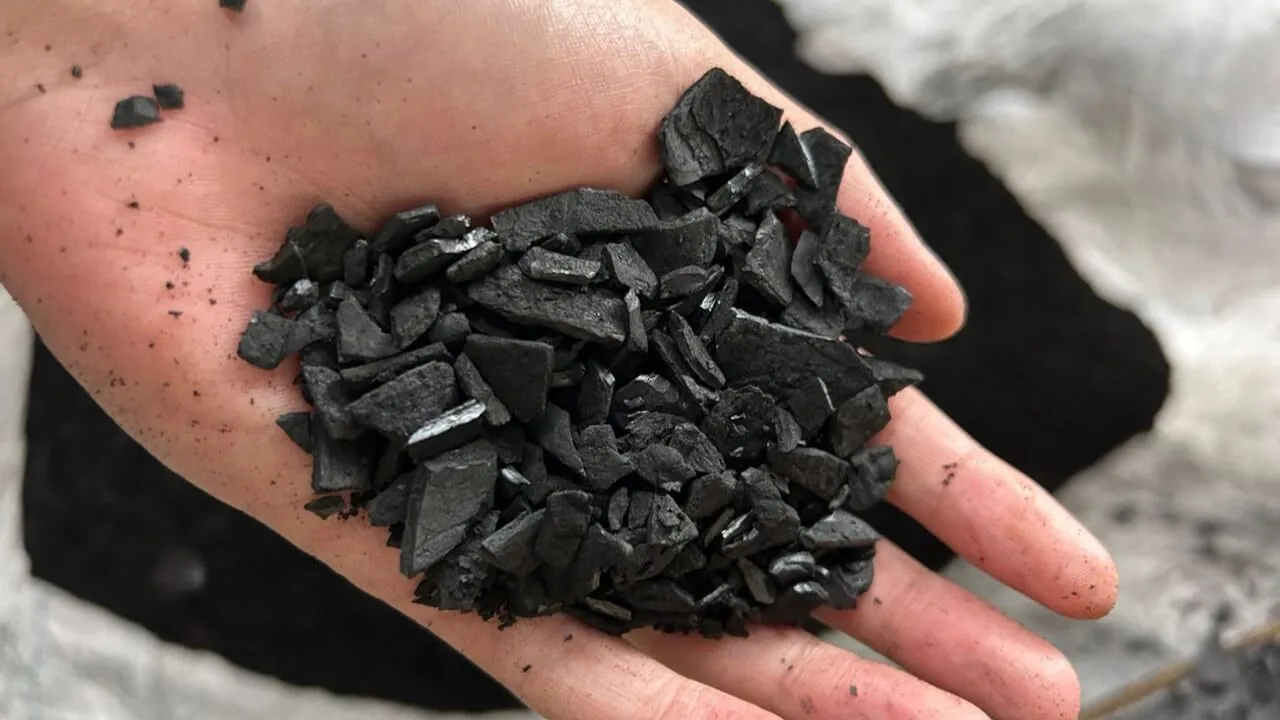
Coconut shell biochar showing texture and quality 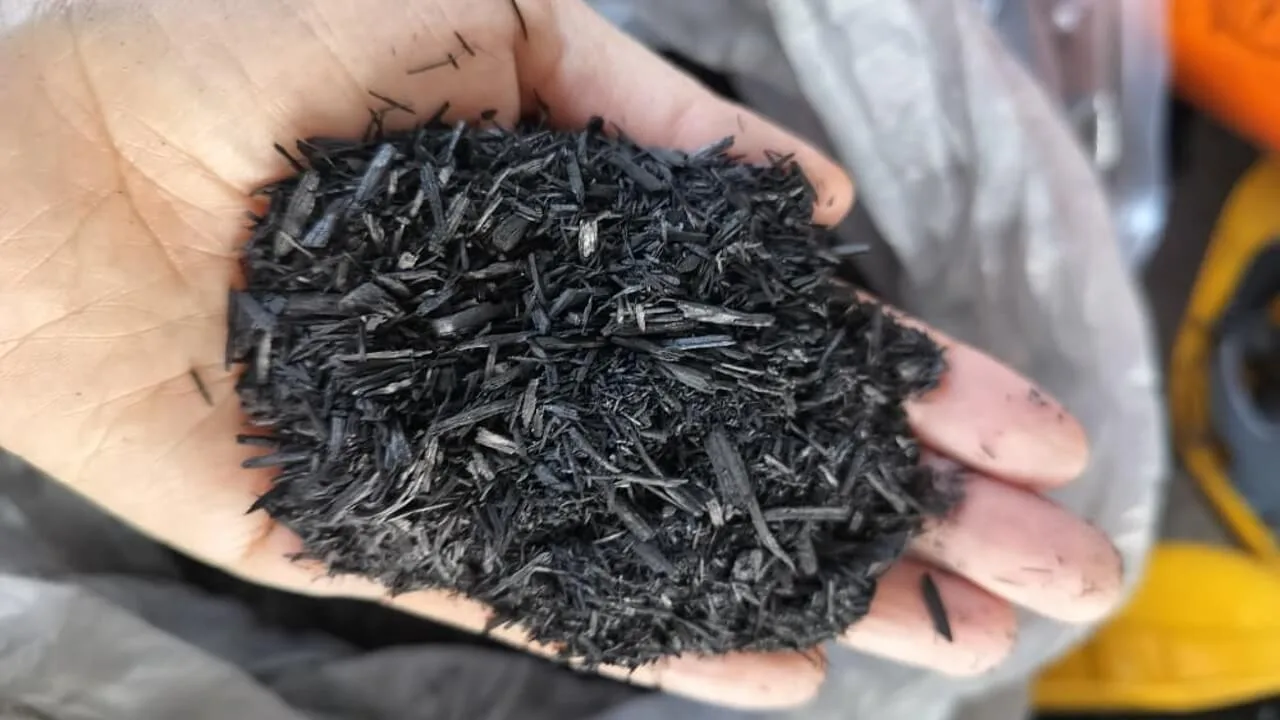
Bamboo biochar sample with carbon-rich structure 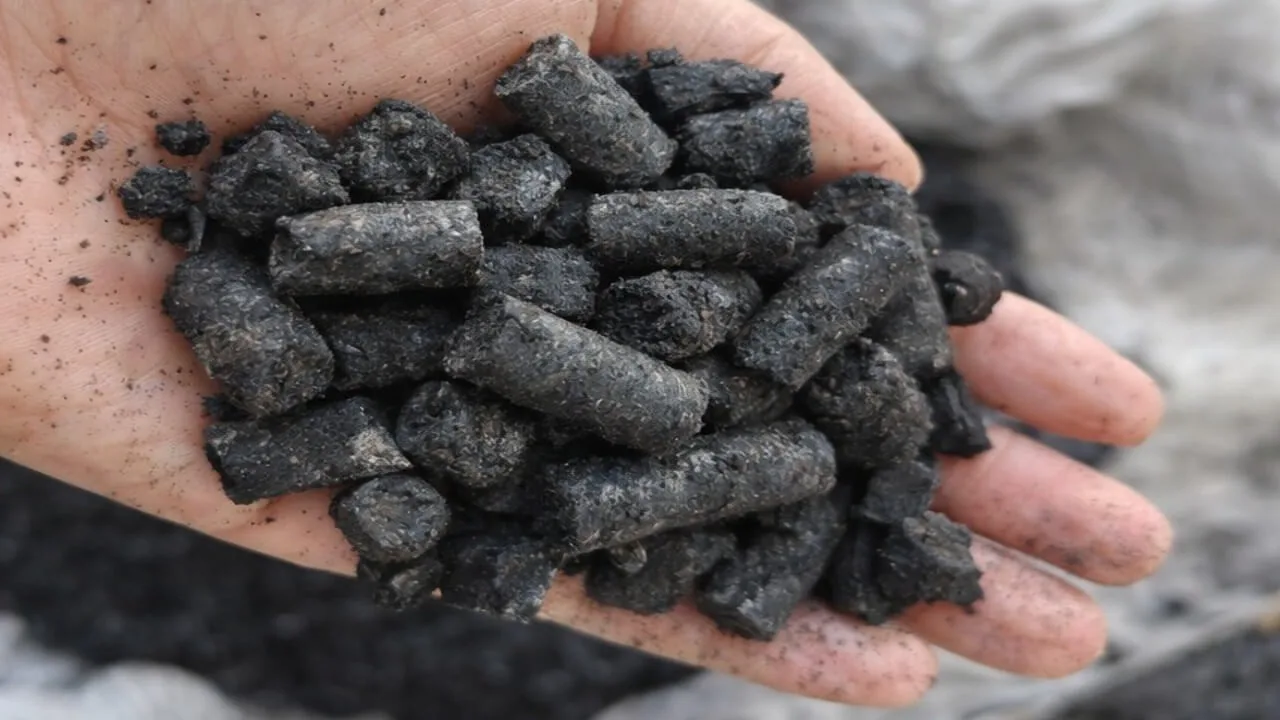
EFB pellet biochar with dense, carbon-rich pellet form 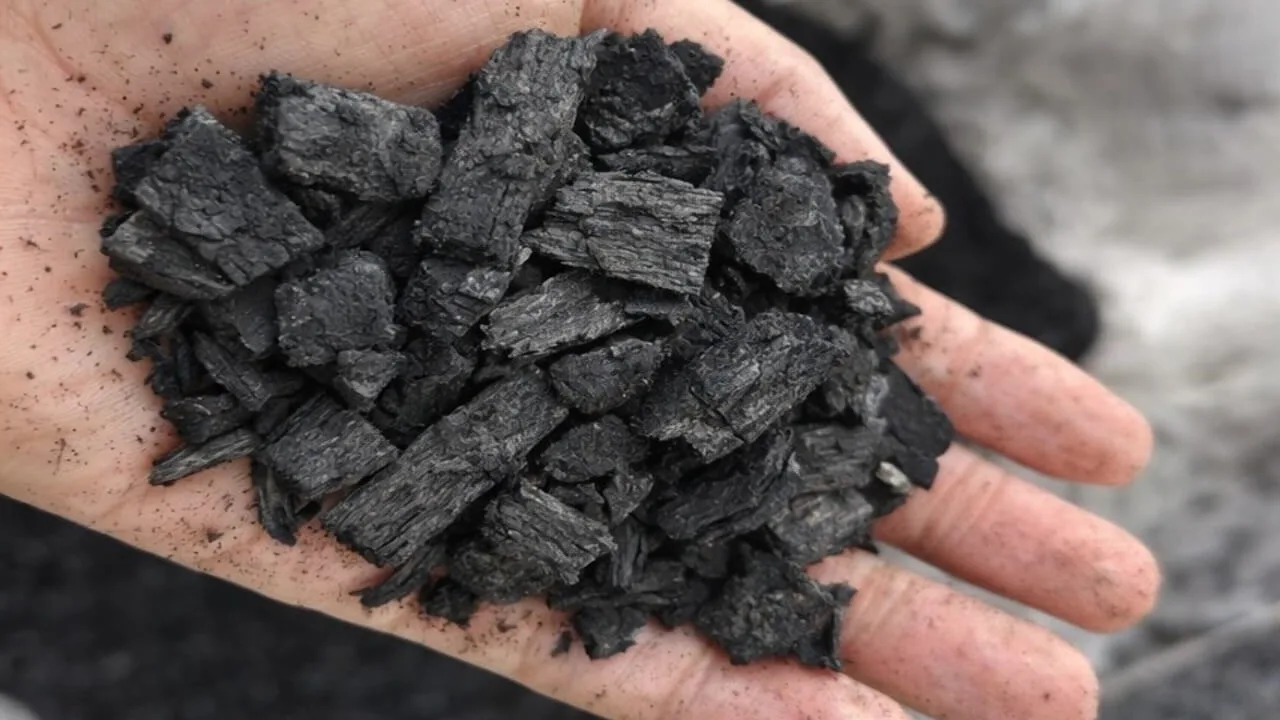
Wood biochar with porous and carbon-dense structure
With multiple feedstock options available, customers can select a biochar product that best fits their intended application, technical requirements, and sourcing preferences.
Why Choose Qlean Tech Biochar
Locally Produced in Malaysia
Manufactured locally using palm kernel shell, a biomass residue produced in Malaysia at a scale of several million tonnes annually. This abundant local supply gives customers a regionally aligned, reliable, and scalable sourcing option.
Consistent Product Specifications
With fixed carbon of 70% and above, low volatile matter, and controlled ash and moisture content, every batch is positioned for reliable evaluation and supply.
Flexible Feedstock Options
Beyond palm kernel shell, we also offer coconut, EFB pellet, bamboo, and wood biochar to match different application needs.
Application-Ready Across Sectors
Suitable for carbon, industrial, environmental, and soil-related uses, with technical guidance available for project-specific requirements.
Frequently Asked Questions (FAQs)
What is biochar?
Biochar is a carbon-rich material produced by heating biomass in an oxygen-limited environment through pyrolysis. It is known for its porous structure and is commonly used in soil, carbon, and environmental applications.
What is biochar used for?
Biochar is commonly used for carbon sequestration, industrial and environmental applications, soil improvement, and compost blending. Qlean Tech Biochar is positioned across all of these uses, with consistent specifications suitable for both agricultural and non-agricultural buyers.
How can I enquire or place an order?
You can contact Qlean Tech directly via WhatsApp to discuss your application, packaging needs, pricing, and order requirements.
Do you offer delivery?
Delivery can be arranged depending on order volume, location, and supply requirements. Contact Qlean Tech directly to discuss availability and logistics.
Is Qlean Tech Biochar suitable for industrial applications?
Yes. With fixed carbon of 70% and above, low volatile matter, and controlled ash content, Qlean Tech Biochar is suitable for selected industrial and environmental applications including filtration, remediation, and other value-added uses. Contact us to discuss your specific application and technical requirements.
What feedstock is used for this product?
Our main biochar product is produced from palm kernel shell, a biomass residue from the palm oil industry that is well suited for pyrolysis.
Our main biochar product is produced from palm kernel shell, a biomass residue from the palm oil industry that is well suited for pyrolysis.
Yes. In addition to palm kernel shell biochar, other feedstock options include coconut biochar, EFB pellet biochar, bamboo biochar, and wood biochar.
Is biochar suitable for agricultural use?
Biochar is widely used in agriculture and soil-related applications because its porous structure can support better water and nutrient retention, while also contributing to long-term soil improvement in suitable conditions.
Can biochar be used for carbon credit projects?
Biochar is a stable carbon-rich material with long-term carbon storage potential, making it relevant for carbon sequestration and circular biomass projects. Contact us to discuss product specifications for your specific project requirements.
Ready to Source Biochar in Malaysia?
Whether you're sourcing for a carbon project, industrial application, plantation, or environmental use, Qlean Tech is ready to help. Contact us via WhatsApp for product specifications, sample requests, bulk pricing, and delivery arrangements — typical response within 24 hours on working days.
